


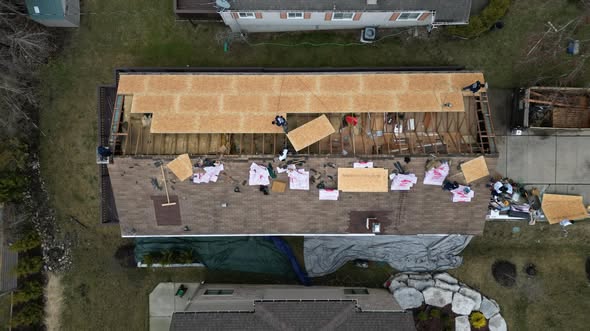
Serious storms cause huge damage to residential roofs. It overwhelms homeowners, leaving them unsure about the next appropriate step. Storm-induced roof damage is mainly caused by either high winds, hail, heavy rain, or fallen debris. The damage might go unnoticed at first glance.
It is where the renowned residential roofing contractors near me appear in search results to help homeowners assess the extent of damage, prevent further issues, and restore the integrity of their buildings. In our post today, we are going to dive deeper into the key role of professional contractors and the approaches to handling storm-damage repairs.
Understanding Common Types of Storm-Related Roof Damage
Contractors determine the type and the amount of storm damage before repair commences. The most prevalent of them is:
- Wind damage
Chewed, flaked, or torn shingles taken off by high wind.
- Hail damage
Bruised ceramic roofing, loss of granules, broken tiles, and dented shingles.
- Water damage
Heavy rain found its way through leaks caused by poor flashing, vents, or underlayments.
- Impact damage
Incise or construction problem of fallen branches or debris.
Residential roofing companies in the locality will be conversant with local weather conditions and can thus easily identify storm-specific damage unique to the area.

Understanding the Storm Repair Process for Homeowners
The effects of storm damage can be overwhelming, but understanding how professionals approach repairs will help you make decisions with confidence before things get out of hand or costs become extortionate.
Emergency Response and Initial Safety Measures
Fast response to rebuild damages before the storms occur. The residential roofing contractors near me focus more on immediate protection, the security of any weak spots, and reducing interior exposure until permanent repairs can be initiated.
Quick emergency responses should be expected by homeowners, and they include:
- Roof tarp placement
- Leak source control
- Loose material removal
- Safety risk reduction
The rapid response keeps the damage under control, and this time, homeowners have sufficient time to plan for the next stage of the repair or renovation process with confidence and professional assistance.
Comprehensive Roof Inspection
An inspection also reveals concealed problems beyond observable destruction. Reactive roofing contractors near me closely examine shingles, flashing, and structural heads to detect hail, wind, or debris-induced weaknesses or leaks.
Contractors normally ensure that they test:
- Shingle impact marks
- Flashing separation points
- Moisture penetration zones
- Gutter drainage damage
Such an in-depth scan will also help ensure that no storm-related issue is overlooked and will provide an opportunity to minimize the need to repair the house in the future, as well as safeguard its future value.
Damage Assessment and Repair Recommendations
Contractors then discuss the level of damage and an optimal repair method after inspection. Local residential roofing contractors suggest solutions depending on their safety, cost-effectiveness, and the need to maintain or replace them.
Repair plans often include:
- Minor shingle fixes
- Partial section replacement
- Full roof restoration
- Material upgrade options
Clear recommendations allow homeowners to see the priorities, avoid needless work, and select the most trusted variant for long-term storm protection.

Assistance With Insurance Claims
Storm damage may be a stressful event for the insurance paperwork. Residential roofing contractors near me usually help homeowners by properly documenting the problems and informing adjusters to help ensure correct claim approvals.
Support may involve:
- Photo damage reports
- Adjuster meeting presence
- Scope clarification help
- Claim paperwork guidance
This professional aid enhances the likelihood of equitable coverage by helping homeowners replace their roofs without incurring unforeseen out-of-pocket costs.
Professional Storm Damage Repairs
Repairs then commence using long-lasting materials and tested techniques. Roofing experts provide high-quality workmanship and occasionally integrate exterior improvements, such as Trex composite decking installation, into larger storm recovery operations.
Storm repair work may include:
- Shingle replacement tasks
- Underlayment reinforcement
- Flashing reseal work
- Ventilation system repairs
Quality repairs will restore protection and appearance, so the roof will withstand future storms and maintain strong structural performance for several years.
Final Inspection and Preventative Advice
Contractors check that everything is in order, both safety- and quality-wise, after the repair. Top U.S. Roofing Experts may also offer advice to residential roofing contractors in my neighborhood to help them prevent future storm-induced roof problems.
Final steps often include:
- Workmanship quality review
- Warranty coverage discussion
- Maintenance planning tips
- Future inspection scheduling
An effective final inspection provides homeowners with peace of mind and prepares them to safeguard their investment and prevent costly storm damage in the future.

Conclusion
Repairs after a storm require reputable individuals who would provide quality, reliability, and permanence to the home. Homeowners prefer R&R 360 Construction Services for its expertise in roofing solutions, backed by professionalism, diligence, and effective workmanship.
Every project is handled with attention to detail and a commitment to restoring peace of mind. Contact us today to schedule your storm damage inspection!
A professional inspection in a few days should be arranged to detect minor damage before weather conditions further deteriorate the loss.
Yes, structural or shingling damage is often an insidious process that can result in problems for the family before internal or leak problems manifest.
The majority of storm repair work on residential premises takes no more than 1 to 3 days, depending on the extent of the damage.